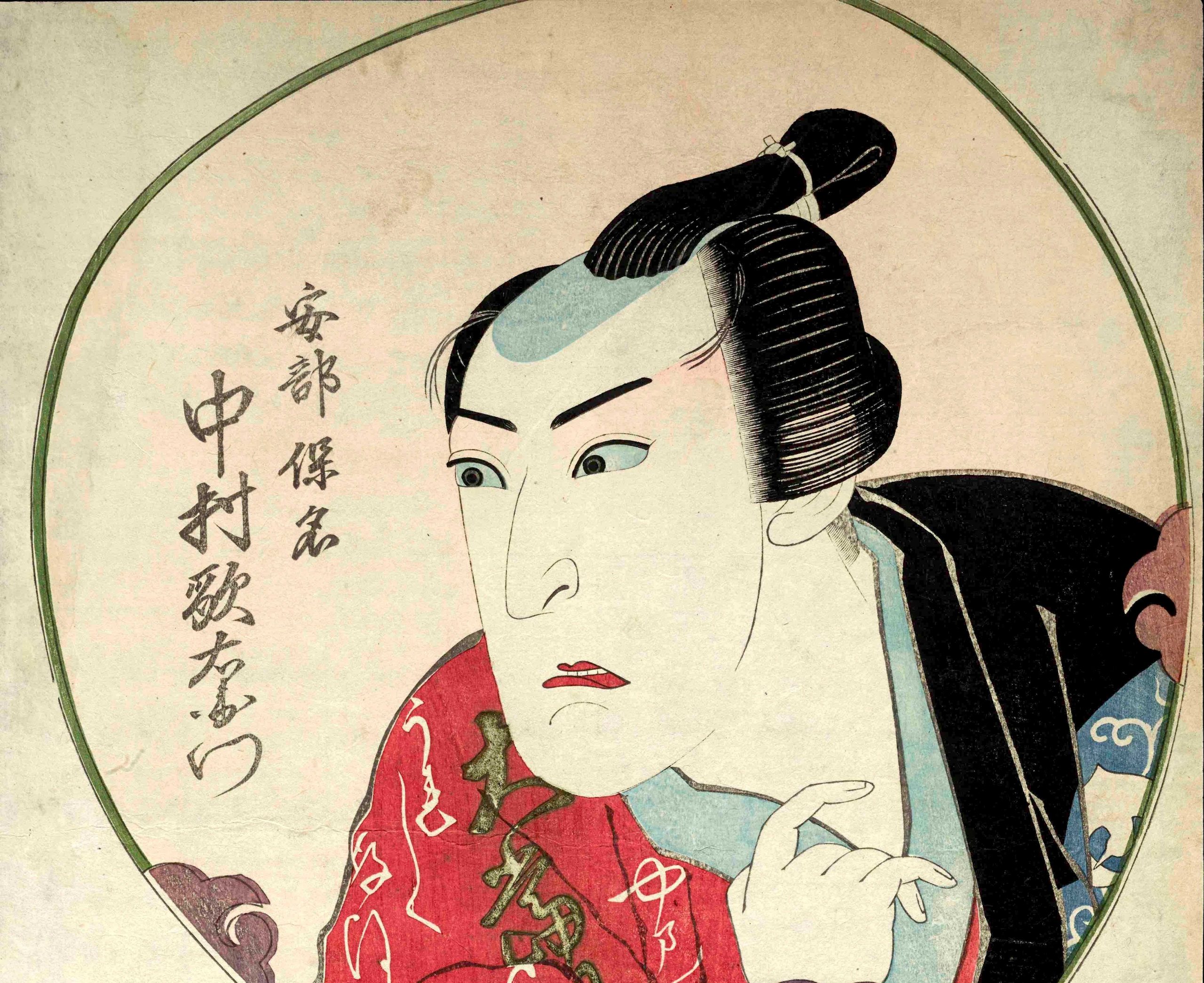
“Kamigata Pin-ups: Portraits of Actors and Beautiful Women”
Ukiyo-e prints created in the Kamigata region, the historical term for the region including modern-day Osaka and Kyoto, are known as "Kamigata ukiyo-e". Like the prints produced in Edo (modern-day Tokyo), they were made using traditional woodblock printing techniques, yet their atmosphere and artistic purpose developed in distinct ways. While Edo’s ukiyo-e were mass-produced for the general public, covering a wide range of genres such as actor portraits, beautiful women, and landscapes, Kamigata ukiyo-e focused especially on portraits of kabuki actors. Kabuki was immensely popular in Osaka and Kyoto, and fans often purchased prints depicting their favorite performers in iconic stage roles, functioning much like today’s celebrity headshots.
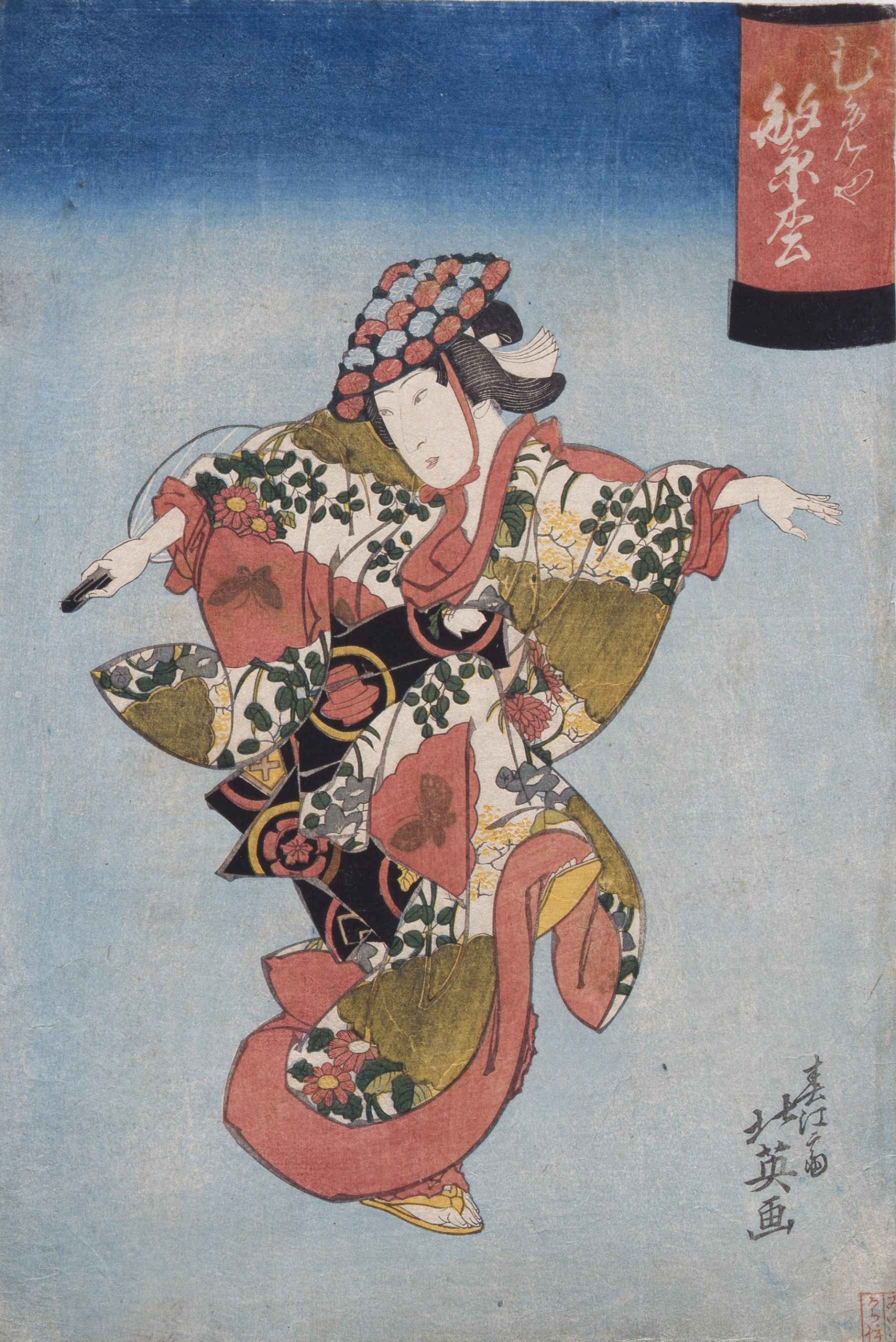
While Kamigata ukiyo-e were produced in smaller quantities compared to Edo ukiyo-e, they employed various techniques to create lavish works. They used the mica mineral to create a shimmer, applied vivid pigments for opulent coloring, and utilized techniques like "kara-zuri" (blind embossing) to create subtle textures. These methods gave Kamigata prints a refined, elegant quality distinct from their Edo counterparts. Kamigata artists also sought to faithfully capture the stage presence of the actors they portrayed, including their natural expressions, individuality, and the emotional impact of a live performance. Rather than idealizing their subjects, they emphasized authenticity. Through these qualities, Kamigata ukiyo-e evolved alongside the passion of kabuki fans, and today they remain treasured works that offer a perspective on ukiyo-e that has a charm unmistakably distinct from Edo. Curator Kenichiro Goto KUBOSO Memorial Museum of Arts, Izumi ・Right (1): Actor Nakamura Utaemon as Abenoyasuna, from the series Comparison of Current Roles on Fans (Uchiwa tôsei kurabe) Hokushû Syunkôsai ・Shigematsu of the Ume-ya Hokuei Syunkôsai