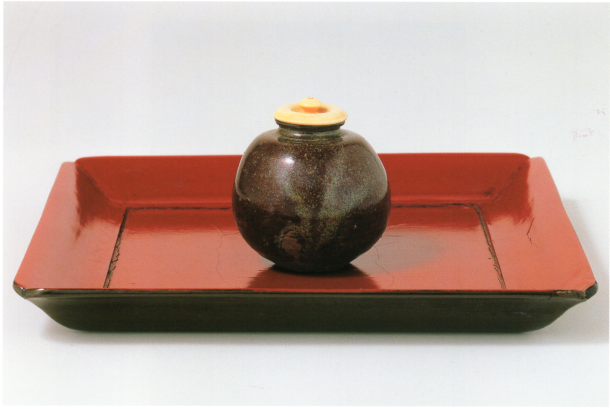
Thumbnail:Important Cultural Property Karamono Nasu Chaire, known as “Shōō” (“Mihotsukushi” Eggplant) Yuki Museum of Art
Special Exhibition: Autumn Exhibition “The Tea World of Toyotomi: Tea Utensils Through Time”
Organizing:Yuki Museum of Art
Venue:Yuki Museum of Art
Nearest Station:5-minute walk from Osaka Metro Midosuji Line “Yodoyabashi” Station Exit 11, 8-minute walk from Keihan Main Line “Yodoyabashi” Station Exit 8
Date:2026-08-29(Sat)~2026-12-06(Sun)
*First semester:8/29(Sat)~10/12(Mon), Second semester:10/15(Thu)~12/6(Sun)
Opening time:10:00~16:30(Last admission at 4:00PM.)
Closed:Monday(Except for 9/21, 10/12, 11/23), 10/13, 10/14, 11/24
Admission fee:General 1,200 yen, College student 500 yen
*Admission is free for high school students and other youths age 0-18, as well as for visitors with disabilities and one caretaker.
Please show ID.
Contact Information:TEL +81-( 0)6-6203-0188
URL:http://www.yuki-museum.or.jp/exhibition/index.html
Tickets:Please pay at the Yuki Museum of Art reception desk (cash only).
More Information:In Japan during the late sixteenth and early seventeenth centuries, the values associated with tea utensils used in the tea ceremony underwent a dramatic transformation. This exhibition, The Tea World of Toyotomi: Tea Utensils Through Time , begins by examining the long-standing admiration for karamono (prestigious imported Chinese wares) that had persisted since the Muromachi period. Even at this time, celebrated tea utensils known as meibutsu continued to be prized as symbols of authority and status.
The following section focuses on tea utensils connected with Toyotomi Hideyoshi and presents objects associated with the Toyotomi family and the tea practitioners of their age. No discussion of Hideyoshi and the culture of tea can overlook the influential tea master Sen no Rikyū, who perfected the aesthetics of wabi-cha. Within the political and cultural framework known as ochanoyu goseido (“governance through tea”), established under Oda Nobunaga and continued by Hideyoshi, Rikyū’s style of tea practice exerted a profound influence on feudal lords throughout Japan.
The final section features a variety of Japanese ceramics, including Shino, Oribe, and Kiseto wares from Mino, as well as locally produced ceramics (kuniyaki) such as Karatsu, Imari, and Takatori ware. The development of these pottery traditions was supported in part by the activities of potters from the Korean Peninsula. Through the distinctive qualities of these works, visitors can trace how a new aesthetic emerged and came to be appreciated, differing from the long-established preference for Chinese imports.
By tracing the history of tea utensils created and inherited alongside the Toyotomi family, this exhibition illuminates the changing aesthetics and cultural values of an era in transition.